
Heat Pump Technology for Florida Homes: Efficient Heating & Cooling
Year-round comfort with superior energy efficiency and lower operating costs
In Short
Heat pumps represent one of the most energy-efficient HVAC technologies available today, offering year-round heating and cooling from a single system. While Florida's climate doesn't demand heavy heating, heat pumps excel in our warm weather, delivering exceptional cooling efficiency while providing reliable heat during occasional cold snaps.
Key Points
- How Heat Pumps Work
- Why Heat Pumps Excel in Florida's Climate
- Cost Savings and ROI
- Government Incentives and Tax Credits
- Installation and Maintenance
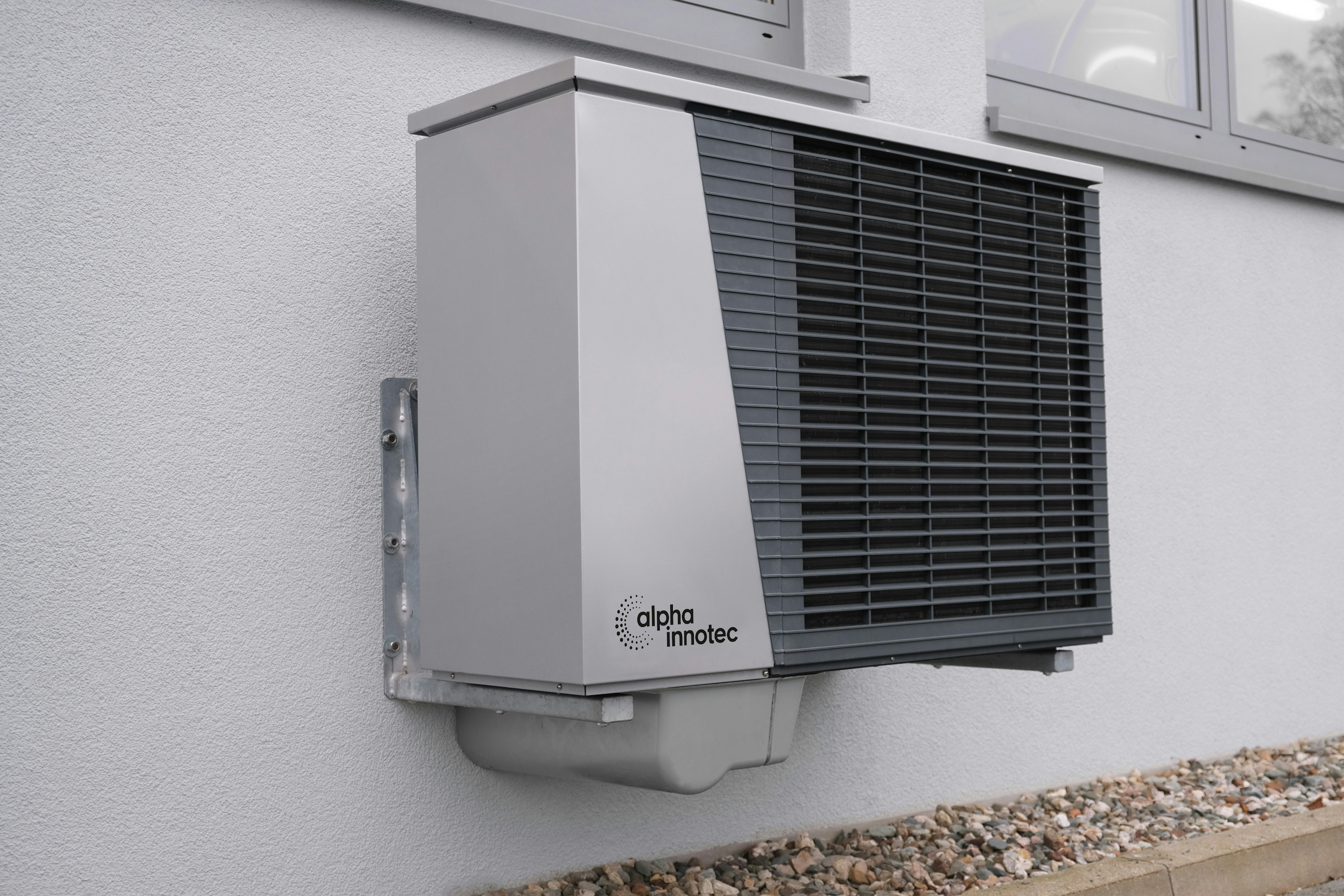
Heat pumps represent one of the most energy-efficient HVAC technologies available today, offering year-round heating and cooling from a single system. While Florida's climate doesn't demand heavy heating, heat pumps excel in our warm weather, delivering exceptional cooling efficiency while providing reliable heat during occasional cold snaps.
This comprehensive guide explores how heat pump technology works, why it's particularly well-suited for Florida's climate, the significant cost savings it delivers, and how government incentives make upgrading more affordable than ever.
How Heat Pumps Work
The Reversible Refrigeration Cycle
Unlike traditional air conditioners that only cool, heat pumps can reverse their operation to provide both heating and cooling using the same equipment.
Cooling Mode (Summer)
Works exactly like a traditional air conditioner:
- • Absorbs heat from indoor air
- • Transfers it outside via refrigerant
- • Releases heat to outdoor air
- • Returns cool air to your home
Heating Mode (Winter)
Reverses the cycle to heat your home:
- • Absorbs heat from outdoor air (even when cold)
- • Concentrates and amplifies that heat
- • Transfers it indoors via refrigerant
- • Releases warm air into your home
The Magic: Moving Heat vs. Creating Heat
Traditional electric resistance heating creates heat by running electricity through coils (like a toaster). This is expensive and inefficient (1 unit of electricity = 1 unit of heat).
Heat pumps move existing heat from one place to another using minimal electricity. They can transfer 2-4 units of heat for every 1 unit of electricity consumed—delivering 200-400% efficiency.
Components of a Heat Pump System
- Outdoor Unit: Contains compressor, reversing valve, and outdoor coil
- Indoor Unit (Air Handler): Distributes conditioned air through ductwork
- Reversing Valve: Switches refrigerant flow direction for heating/cooling
- Refrigerant Lines: Carry refrigerant between indoor and outdoor units
- Thermostat: Controls mode (heat/cool) and temperature settings
Why Heat Pumps Excel in Florida's Climate
Perfect Match for Warm Weather
Florida's mild winters and long cooling season make heat pumps an ideal choice. Here's why:
Year-Round Cooling Performance
Heat pumps cool just as effectively as traditional air conditioners, often with superior energy efficiency. Modern heat pumps achieve SEER ratings of 18-22+, far exceeding standard AC systems (14-16 SEER).
Efficient Heating for Mild Winters
Heat pumps work exceptionally well in temperatures above 40°F—perfect for Florida's 50-70°F winter range.
Even when temperatures occasionally dip into the 30s, modern heat pumps remain efficient, and backup electric heat strips activate only when necessary.
Single System for All Seasons
No need for separate heating and cooling systems. One heat pump handles everything, reducing equipment costs, maintenance complexity, and failure points.
Superior Humidity Control
Variable-speed heat pumps run longer at lower speeds, removing more moisture from Florida's humid air compared to single-speed systems that cycle on/off frequently.
Heat Pump vs Traditional AC + Electric Heat
| Feature | Heat Pump | Traditional AC + Heat |
|---|---|---|
| Cooling Efficiency | 18-22+ SEER | 14-16 SEER |
| Heating Efficiency | 200-400% efficient | 100% efficient (resistance) |
| Equipment Needed | One system | Two systems |
| Annual Energy Cost | $1,200-1,800 | $1,800-2,400 |
| Maintenance | Single system service | Dual system service |
Cost Savings and ROI
Energy Cost Comparison
Annual Operating Costs (Typical 2,000 sq ft Florida Home)
Annual Savings with Heat Pump: $600-900 compared to traditional systems
10-Year ROI Analysis
Heat Pump Installation Cost: $6,000-12,000 (vs. $5,000-10,000 traditional)
Additional Upfront Cost: $1,000-2,000
Annual Energy Savings: $700 average
Payback Period: 1.5-3 years (from energy savings alone)
10-Year Net Savings: $5,000-8,000 (after recovering initial cost)
Additional Financial Benefits
- Lower Maintenance Costs: Single system means half the service calls and tune-ups
- Increased Home Value: Energy-efficient systems boost resale value by $2,000-5,000
- Extended Lifespan: Variable-speed heat pumps last 18-22 years vs. 12-15 for standard AC
- Utility Rebates: Many Florida utilities offer $300-1,000 rebates for high-efficiency heat pumps
Learn more about reducing costs: Energy Efficiency Tips to Lower Your Bills
Government Incentives and Tax Credits
Federal Tax Credits
The Inflation Reduction Act (IRA) provides substantial tax credits for energy-efficient heat pump installations through 2032.
Current Federal Incentives (2024-2032)
Energy Efficiency Tax Credit (25C)
- • Credit Amount: 30% of installation cost
- • Maximum: $2,000 per year
- • Requirement: SEER2 ≥ 16, HSPF2 ≥ 8.1
- • Typical Savings: $1,800-2,000 on qualifying systems
High-Efficiency Electric Home Rebate (HEEHRA)
- • Rebate Amount: Up to $8,000 for heat pump installation
- • Income-Based: Higher rebates for moderate/low-income households
- • Status: State-dependent implementation (check Florida availability)
Florida Utility Rebates
Many Florida electric utilities offer additional rebates for high-efficiency heat pumps:
- • FPL (Florida Power & Light): Up to $925
- • Duke Energy Florida: Up to $675
- • TECO: Up to $500
- • Check with your local utility for current programs
Total Potential Savings
System Cost: $10,000
Federal Tax Credit (30%): -$2,000
Utility Rebate: -$700
Net Cost After Incentives: $7,300
Combined with annual energy savings of $700, you recover the net cost in just over 10 years while enjoying superior comfort and efficiency.
Installation and Maintenance
Installation Requirements
Heat pump installation is similar to traditional AC installation, with a few additional considerations:
- Proper Sizing: Critical for efficiency—oversized or undersized systems waste energy
- Reversing Valve Wiring: Requires proper electrical connections for heat/cool switching
- Backup Heat: Electric heat strips for extremely cold weather (rare in Florida)
- Thermostat Compatibility: Must support heat pump operation modes
- Timeline: 1-2 day installation for most residential applications
Our professional heat pump installation service ensures optimal performance and efficiency.
Maintenance Needs
Heat pumps require similar maintenance to traditional AC systems, with bi-annual service recommended:
Spring Service (Before Cooling Season)
- • Clean outdoor coils
- • Check refrigerant levels
- • Test cooling mode operation
- • Clean/replace air filters
- • Inspect electrical connections
Fall Service (Before Heating Season)
- • Test reversing valve operation
- • Verify heating mode performance
- • Test backup heat strips
- • Inspect defrost cycle
- • Lubricate moving parts
Regular maintenance extends system life and maintains efficiency. Learn more: HVAC Maintenance Services
Types of Heat Pump Systems
Air-Source Heat Pumps (Most Common)
Extract heat from outdoor air. Ideal for Florida's mild climate. Available in ducted or ductless configurations.
Best For: Most residential applications, replacements for traditional AC systems
Ductless Mini-Split Heat Pumps
Indoor wall-mounted units connected to outdoor compressor. No ductwork needed. Perfect for room additions or zone control.
Best For: Homes without ducts, room additions, zone-controlled comfort
Learn more: Ductless Mini-Split Guide
Geothermal Heat Pumps
Extract heat from underground using buried pipes. Extremely efficient but high installation cost.
Best For: New construction, large properties, maximum long-term efficiency
Related Resources
Ready to Upgrade to Heat Pump Technology?
Get expert consultation and professional installation from Likir HVAC Solutions