
Humidity Control in Florida Homes: Managing Moisture
Protect your home, health, and comfort by mastering indoor humidity in our subtropical climate
In Short
Living in Florida means dealing with high humidity nearly year-round. While we can't change the weather outside, controlling the humidity inside your home is critical for both comfort and health. When indoor humidity levels climb above the ideal range of 40-50%, the consequences go far beyond just feeling sticky and uncomfortable.
Key Points
- The Hidden Dangers of High Indoor Humidity
- How Your AC System Manages Humidity
- The Ultimate Solution: Whole-Home Dehumidifiers
- Everyday Tips to Reduce Indoor Moisture
- Related Resources
Living in Florida means dealing with high humidity nearly year-round. While we can't change the weather outside, controlling the humidity inside your home is critical for both comfort and health. When indoor humidity levels climb above the ideal range of 40-50%, the consequences go far beyond just feeling sticky and uncomfortable.
Excess moisture can lead to mold growth, damage to woodwork and furniture, increased pest activity, and exacerbated respiratory issues. This comprehensive guide explores why proper humidity control is vital in Florida, how your HVAC system plays a role, and the most effective solutions, including whole-home dehumidifiers and advanced system upgrades.
The Hidden Dangers of High Indoor Humidity
Health Implications
When humidity levels exceed 60%, your home becomes a breeding ground for biological contaminants.
Mold and Mildew
- • Thrives in environments above 60% humidity
- • Releases spores that trigger asthma and allergies
- • Can cause serious respiratory infections
- • Often grows unseen inside ductwork and wall cavities
Dust Mites & Pests
- • Dust mites absorb moisture from the air to survive
- • High humidity causes mite populations to explode
- • Major trigger for year-round allergy symptoms
- • Attracts other pests like roaches and silverfish
Property Damage
Prolonged exposure to high moisture levels can slowly destroy your home's interior.
- Wood warping: Hardwood floors, cabinets, and furniture absorb moisture and warp or rot.
- Paint and wallpaper: Peeling, bubbling, and blistering on interior walls.
- Odors: Persistent musty smells embedded in carpets and upholstery.
How Your AC System Manages Humidity
Air conditioners do more than just lower the temperature; they are designed to condition the air by removing moisture. As warm indoor air blows over the cold evaporator coils, condensation forms (like water on a cold glass), dripping into a pan and draining outside.
The "Short Cycling" Problem
An oversized AC unit cools your home too quickly and shuts off before it has a chance to extract enough moisture from the air. This results in a cold, clammy house.
Proper sizing by a professional is crucial. Bigger is not always better when it comes to HVAC.
Variable-Speed Technology
Unlike standard single-stage systems that blast at 100% capacity, variable-speed systems run at lower speeds for longer periods.
- • Longer run times allow for significantly more moisture removal.
- • Maintains consistent temperatures without the "clammy" feel.
- • Highly energy efficient, reducing overall utility costs.
Learn more about efficiency upgrades: Energy Efficiency Tips to Lower Your Bills
The Ultimate Solution: Whole-Home Dehumidifiers

During mild Florida "winters" or rainy spring days, temperatures might be comfortable (70-75°F), but humidity remains high. Since your AC isn't running much, it isn't pulling moisture from the air. This is where a whole-home dehumidifier becomes invaluable.
How It Works
Integrated directly into your existing HVAC ductwork, a whole-home dehumidifier draws air from your home, removes the excess moisture, and sends dry, comfortable air back through your vents. It operates independently of the cooling cycle.
Key Benefits
- • Energy Savings: Dry air feels cooler. You can set your thermostat 2-4 degrees higher without sacrificing comfort, saving up to 15% on cooling costs.
- • Healthier Air: Keeps humidity consistently below 50%, stopping mold and dust mites in their tracks.
- • Low Maintenance: Drains automatically into your plumbing—no buckets to empty like portable units.
- • Quiet Operation: Installed out of sight (attic, garage, or closet), away from living spaces.
Everyday Tips to Reduce Indoor Moisture
Along with professional HVAC solutions, you can take practical steps to minimize excess moisture generation in your home:
- Use Exhaust Fans: Always run exhaust fans in bathrooms during showers and in kitchens while cooking. Leave them on for 15 minutes after you finish.
- Check Dryer Vents: Ensure your clothes dryer is properly vented to the outside and the vent line is clear of lint.
- Fix Plumbing Leaks: Even minor drips under sinks or around toilets contribute significantly to indoor moisture.
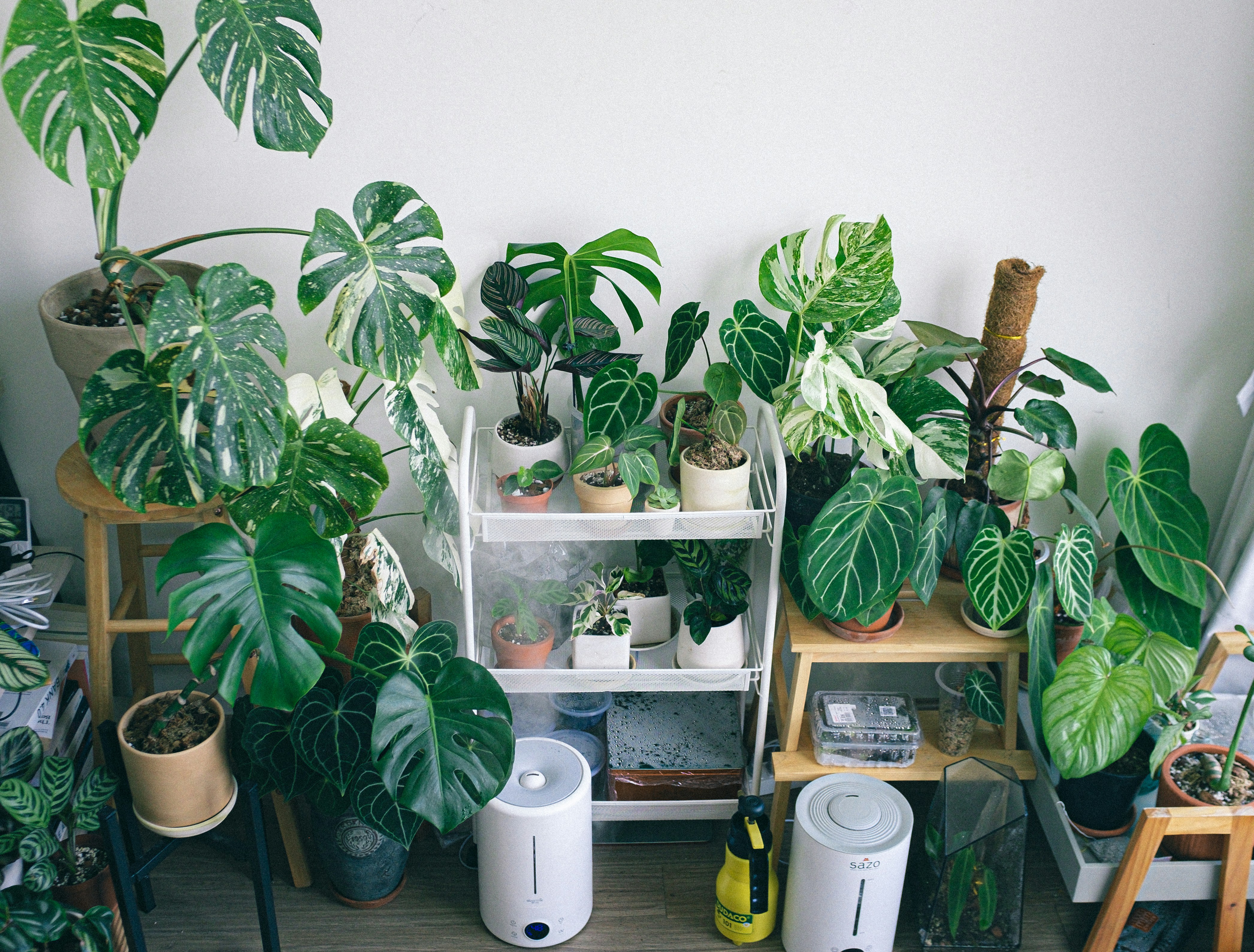
- Avoid Overwatering Indoor Plants: Houseplants look great, but wet soil adds humidity to the air.
- Seal Air Leaks: Weatherstrip doors and caulk windows to prevent humid outdoor Florida air from infiltrating your home.
Related Resources
Struggling with Florida Humidity?
Get a customized indoor air quality assessment and professional dehumidifier installation from Likir HVAC Solutions.