
HVAC Noise Issues: Causes, Soundproofing, and Solutions
Decode what your air conditioner is telling you and learn how to restore peace and quiet to your home
In Short
Your HVAC system is a complex piece of machinery, and it's entirely normal for it to produce a low, steady hum while running. However, when that gentle hum turns into a loud bang, a high-pitched squeal, or a persistent rattle, your system is crying out for help.
Key Points
- Soundproofing Solutions for Loud Systems
- When to Repair vs. Replace Noisy Components
- Related Resources
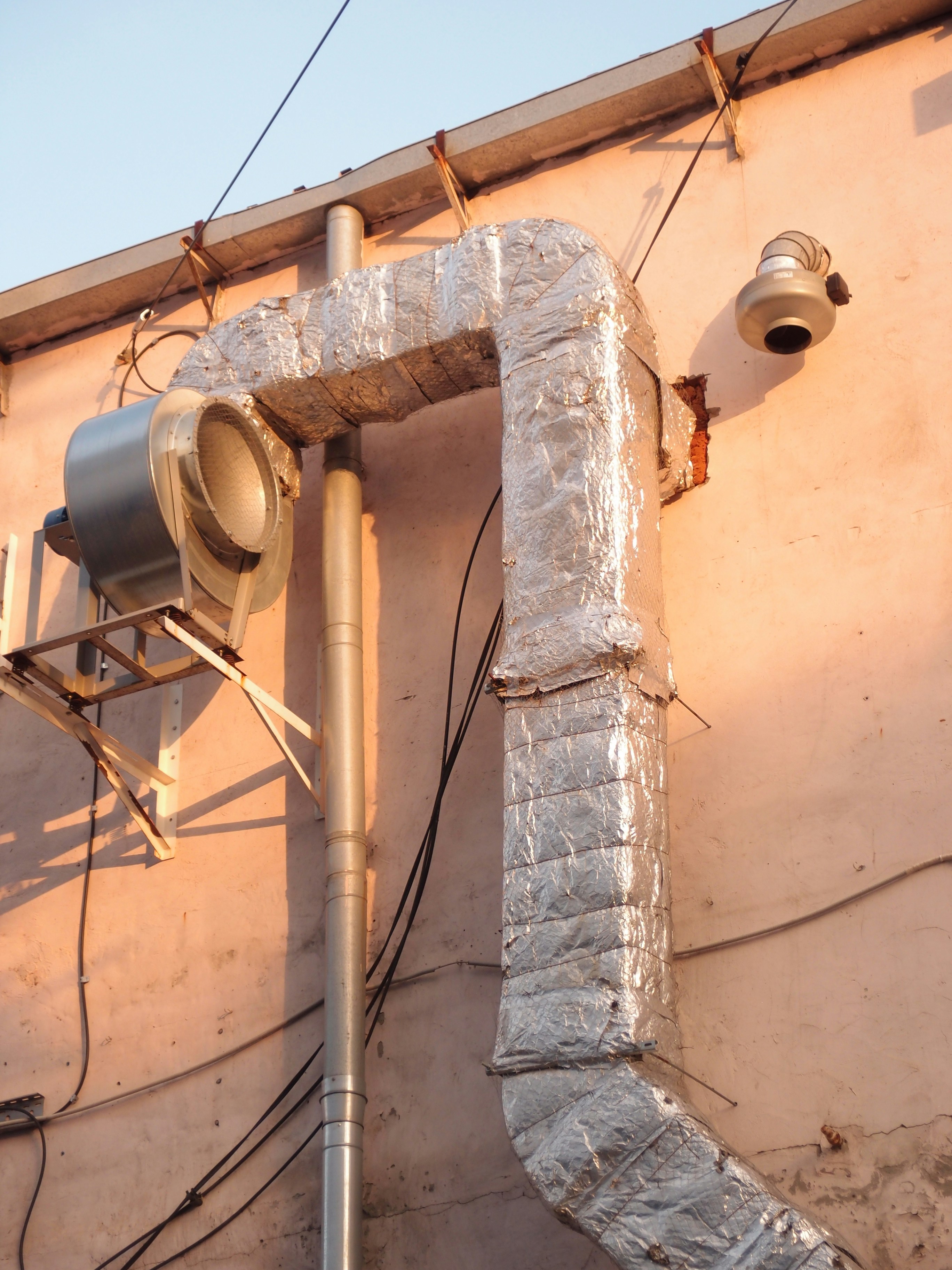
Your HVAC system is a complex piece of machinery, and it's entirely normal for it to produce a low, steady hum while running. However, when that gentle hum turns into a loud bang, a high-pitched squeal, or a persistent rattle, your system is crying out for help.
Ignoring these audible warning signs can lead to catastrophic system failure and expensive emergency repairs. In this guide, we'll break down the most common abnormal HVAC noises, explain what causes them, and provide practical solutions for repairing components and soundproofing your system.
Decoding HVAC Noises: What Do They Mean?
Squealing or Screeching
A high-pitched squeal usually originates from the indoor blower motor or the outdoor condenser fan motor.
- Probable Cause: A worn-out fan belt (in older models) or motor bearings that desperately need lubrication or replacement.
- Urgency: Moderate to High. Catching a failing bearing early can save the entire motor.
Banging or Clanking
If it sounds like there's a mechanic trapped inside your outdoor unit hitting it with a hammer, shut it off immediately.
- Probable Cause: A loose or broken component—such as a connecting rod, piston pin, or internal mount—thrashing around inside the compressor. It can also be a dangerously loose fan blade.
- Urgency: Critical. Turn off the system to prevent catastrophic compressor destruction.
Hissing or Bubbling
A continuous hiss from the AC while it's running, or a bubbling sound when it's off, is rarely a good sign.
- Probable Cause: A refrigerant leak. Less severely, hissing might indicate an internal valve leak or excessive pressure in the compressor.
- Urgency: High. Low refrigerant damages the compressor and ruins efficiency.
Clicking
A single click when the system turns on or off is normal. Rapid, continuous clicking is not.
- Probable Cause: A failing electrical relay, a defective thermostat, or a failing capacitor struggling to send enough voltage to the motor.
- Urgency: Moderate. Needs an electrician or HVAC tech to diagnose.
Soundproofing Solutions for Loud Systems
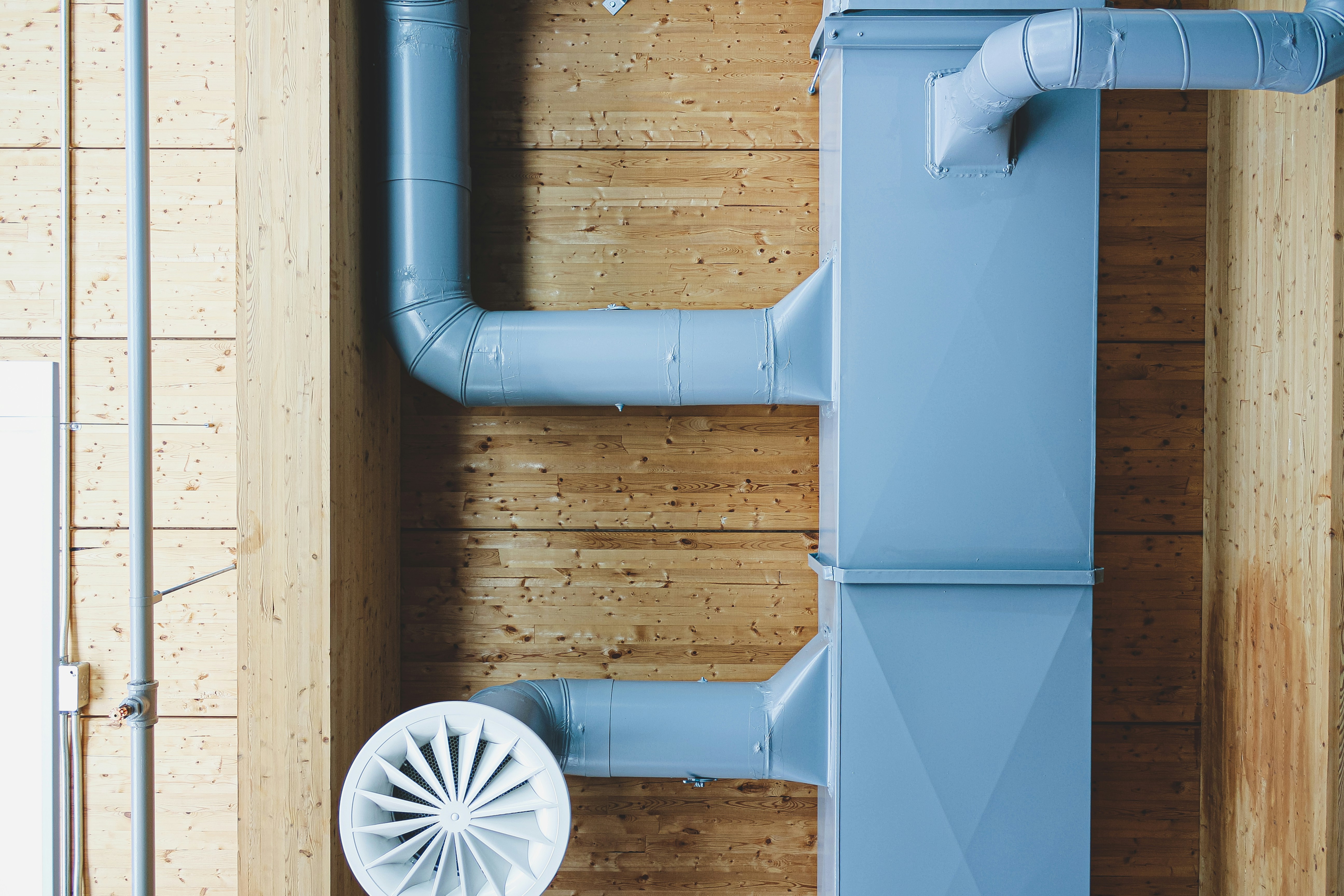
Sometimes your AC is perfectly healthy, but the location of the unit or the acoustics of your home make the normal operating sounds unbearably loud. Here are proven ways to quiet a loud system:
1. Compressor Sound Blankets
A heavy-duty, acoustic sound blanket wraps around the compressor inside the outdoor unit. Designed specifically for HVAC units, they muffle noise without restricting airflow or causing overheating. They can reduce noise by up to 30-50%.
2. Vibration Isolation Pads
If your outdoor unit vibrates against the concrete pad, or your indoor air handler vibrates against the floor/ceiling joists, isolation pads made of thick rubber and cork can absorb the kinetic energy and silence the vibration.
3. Acoustic Fencing / Shrubs
Building a small wooden fence or planting dense shrubs around the outdoor unit can deflect and absorb sound waves before they hit your windows. Crucial Note: Always leave at least 2-3 feet of clearance for proper airflow!
4. Ductwork Adjustments
"Popping" ducts usually happen because the metal expands and contracts with pressure changes. Flexible duct transitions or acoustic duct liners can eliminate echoes and booming sounds traveling through your vents.
When to Repair vs. Replace Noisy Components
If the noise is caused by mechanical failure, you'll need to decide between repairing the part or upgrading the system.
- Repair It: Fan motors, capacitors, contactors, and fan blades are relatively inexpensive and straightforward to replace. If your system is under 10 years old and the compressor is healthy, repairing individual noisy parts is highly cost-effective.
- Replace It: A banging, failing compressor is the death knell of an AC unit. The compressor is the most expensive part of the system. If the system is older, uses R-22 Freon, and the compressor is failing, it is almost always more financially viable to replace the entire outdoor unit.
Not sure what to do? Check out our Repair vs. Replace Guide.
Related Resources
Is Your HVAC Driving You Crazy?
Stop guessing what the noise means. Get expert diagnosis and soundproofing solutions today.