
HVAC System Lifespan: When to Replace Your System
Understanding equipment lifespans, warning signs, and the right time to upgrade for maximum value
In Short
Every HVAC system eventually reaches the end of its useful life. Knowing when to replace rather than repair your system is one of the most important decisions homeowners face. Replace too early, and you waste money on a premature purchase.
Key Points
- Typical HVAC System Lifespans
- Warning Signs Your System Is Aging
- Replacement vs Repair Cost Analysis
- Efficiency Improvements with New Systems
- Environmental Benefits of Upgrading
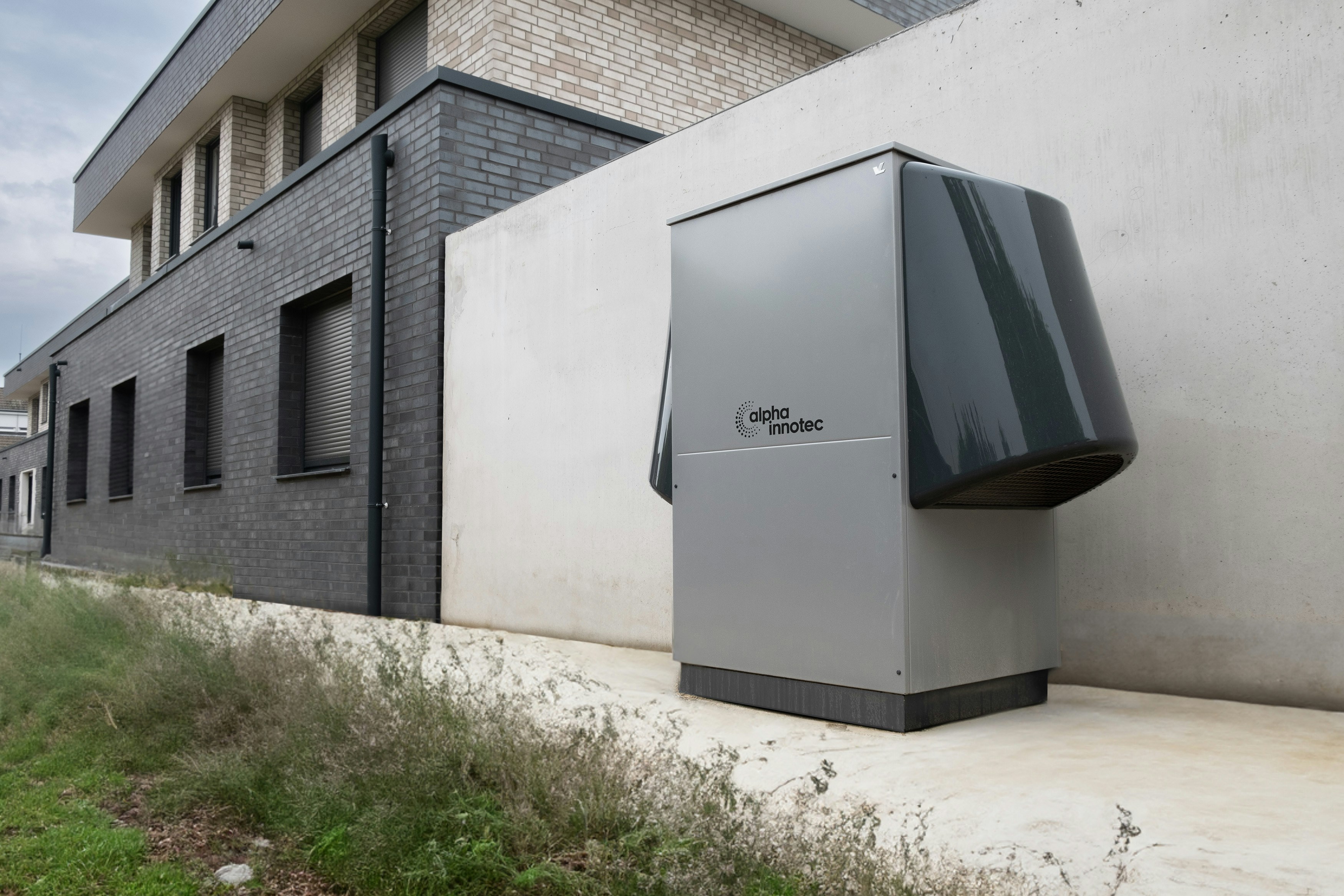
Every HVAC system eventually reaches the end of its useful life. Knowing when to replace rather than repair your system is one of the most important decisions homeowners face. Replace too early, and you waste money on a premature purchase. Wait too long, and you risk expensive breakdowns, skyrocketing energy bills, and uncomfortable summers in Florida's heat.
This comprehensive guide helps you understand typical HVAC lifespans, recognize the warning signs that replacement is approaching, analyze repair versus replacement costs, and understand the significant benefits of upgrading to modern, high-efficiency systems.
Typical HVAC System Lifespans
Average Equipment Life Expectancy
HVAC lifespan varies significantly based on equipment type, usage patterns, maintenance quality, and climate. Florida's demanding conditions—extreme heat, high humidity, near year-round operation—typically reduce lifespans by 2-5 years compared to moderate climates.
Factors That Reduce Lifespan
- • Poor or infrequent maintenance
- • Oversized or undersized equipment (improper sizing)
- • Constant operation in extreme climates (like Florida)
- • Dirty filters and coils
- • Inadequate ventilation or airflow
- • Salt air exposure (coastal areas)
- • Power surges and electrical issues
Warning Signs Your System Is Aging
Critical Indicators of System Decline
Frequent Breakdowns and Repairs
If you're calling for repairs more than once per year, or if repair costs are escalating, your system is likely near the end of its life.
Rule of Thumb: If repair cost exceeds 50% of replacement cost, replace instead of repair.
Rising Energy Bills
As systems age, efficiency declines. A 10-year-old system may use 20-40% more energy than it did when new, and 50-70% more than today's high-efficiency models.
Compare your bills year-over-year. Significant increases without usage changes indicate declining efficiency.
Inconsistent Temperatures
Hot and cold spots, rooms that never reach set temperature, or constant cycling indicate the system can no longer adequately condition your home.
Excessive Noise
Grinding, squealing, banging, or rattling noises signal worn components. While individual parts can be replaced, multiple noise issues suggest system-wide deterioration.
Moisture Problems
Excessive humidity indoors, water leaks around the unit, or visible rust/corrosion indicate failing components and potential refrigerant leaks.
R-22 Freon System
Systems using R-22 refrigerant (phased out in 2020) face skyrocketing repair costs. R-22 now costs $100-150 per pound compared to $10-20 when in production.
If your R-22 system needs refrigerant, replacement with modern R-410A or R-32 equipment is almost always more economical.
Learn more: Repair vs Replace Decision Guide
Replacement vs Repair Cost Analysis
The 50% Rule
A widely-used industry guideline helps make repair-or-replace decisions:
If (Repair Cost) × (System Age) ≥ (Replacement Cost) → Replace
Example Calculation
Scenario: 12-year-old AC needs $1,200 compressor repair
Calculation: $1,200 (repair) × 12 (age) = $14,400
New System Cost: $6,000
Result: $14,400 > $6,000 → Replace the system
Additional Considerations
- System Over 10 Years: Lean toward replacement for any major repair
- Energy Bills Rising: Factor in long-term savings from new efficiency
- Multiple Repairs Needed: Combined costs may justify replacement
- R-22 System: Strongly favor replacement due to refrigerant costs
Efficiency Improvements with New Systems
Dramatic Efficiency Gains
HVAC technology has advanced significantly in the past 10-15 years. Replacing an old system delivers immediate and substantial energy savings.
Efficiency Comparison
10-15 Year Old System
SEER Rating: 8-10
Annual Cooling Cost: $2,400
Minimum Efficiency New System
SEER Rating: 14 (current minimum)
Annual Cooling Cost: $1,715 (29% savings)
High-Efficiency New System
SEER Rating: 18-22
Annual Cooling Cost: $1,200-1,330 (44-50% savings)
10-Year Energy Savings: $8,500-12,000 with high-efficiency system
Learn more about efficiency: Understanding SEER Ratings
Modern Features and Technologies
Comfort Enhancements
- • Variable-speed operation for consistent temperatures
- • Superior humidity control
- • Quieter operation (50% noise reduction)
- • Zone control capabilities
- • Smart thermostat compatibility
Advanced Technology
- • WiFi connectivity and remote control
- • Self-diagnostic systems
- • Advanced air filtration options
- • Eco-friendly refrigerants
- • Predictive maintenance alerts
Environmental Benefits of Upgrading
Reduce Your Carbon Footprint
- Energy Reduction: High-efficiency systems use 40-50% less electricity, significantly reducing CO2 emissions from power generation.
- Eco-Friendly Refrigerants: Modern R-410A and R-32 refrigerants have zero ozone depletion potential, unlike older R-22 Freon.
- Renewable Energy Ready: New systems pair efficiently with solar panels for near-zero emission cooling.
- Reduced Waste: Longer lifespan and fewer breakdowns mean less equipment in landfills.
Upgrade Options and Financing
Replacement System Options
Like-for-Like Replacement
Replace existing system with modern equivalent. Lowest upfront cost, immediate efficiency gain, minimal installation complexity.
High-Efficiency Upgrade
Step up to 18-22 SEER system with variable-speed technology. Higher upfront cost offset by maximum energy savings and superior comfort.
System Type Change
Switch to heat pump, ductless mini-splits, or zoned system. Requires more planning but can solve specific comfort or efficiency challenges.
Learn more: Ductless Mini-Split Guide
Financing and Incentives
- • Manufacturer and utility company rebates ($300-2,000)
- • Federal tax credits for high-efficiency equipment (up to 30%)
- • 0% financing options through HVAC contractors
- • Energy-efficient mortgage programs
- • Home equity loans with tax-deductible interest
Related Resources
Is It Time to Replace Your HVAC System?
Get a free replacement quote and learn about current rebates and financing options