
HVAC Zoning Systems: Benefits and Installation Guide
Achieve perfect temperature control in every room with multi-zone HVAC systems
In Short
Have you ever noticed that some rooms in your home are always too hot while others are too cold? Or does your upstairs bake in the Florida sun while the downstairs stays comfortable? These common temperature imbalances waste energy and create discomfort.
Key Points
- Benefits of HVAC Zoning
- Installation Process
- Cost-Benefit Analysis
- Related Resources
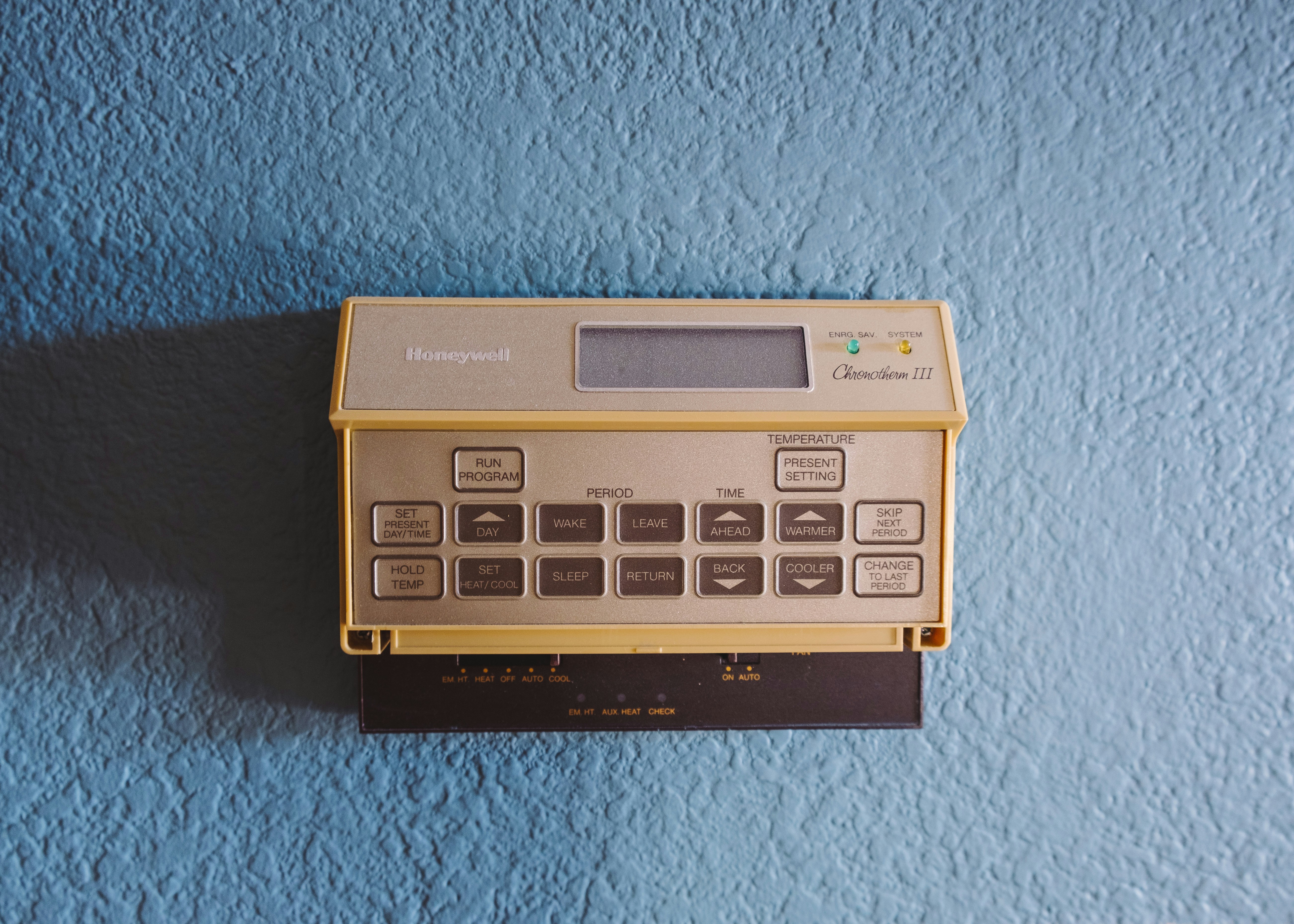
Have you ever noticed that some rooms in your home are always too hot while others are too cold? Or does your upstairs bake in the Florida sun while the downstairs stays comfortable? These common temperature imbalances waste energy and create discomfort. HVAC zoning systems solve these problems by dividing your home into separate climate zones, each with independent temperature control.
This comprehensive guide explores how zoning systems work, their benefits, installation process, costs, and whether they're right for your Florida home. You'll learn how multi-zone control delivers personalized comfort while reducing energy bills.
What is an HVAC Zoning System?
Understanding Zone Control
An HVAC zoning system divides your home into separate areas (zones), each with its own thermostat and motorized dampers in the ductwork. This allows different temperatures in different parts of your home simultaneously.
How It Works:
- Multiple Thermostats: Each zone has its own thermostat for independent control
- Zone Dampers: Motorized dampers in ducts open/close to direct airflow
- Control Panel: Central system coordinates all zones and dampers
- Smart Operation: System only conditions zones that need it, saving energy
Common Zoning Configurations:
- Two-Zone: Upstairs/Downstairs or East/West wings
- Three-Zone: Main floor, upstairs bedrooms, master suite
- Four-Zone+: Individual room control for larger homes
Benefits of HVAC Zoning
1. Personalized Comfort
Every family member can set their preferred temperature for their space. No more thermostat battles or compromising on comfort.
Real-World Scenarios:
- • Keep master bedroom cool (68°F) while setting guest rooms warmer (74°F)
- • Maintain comfortable office temperature during work hours
- • Adjust nursery temperature independently for baby's comfort
- • Cool kitchen more during cooking without over-cooling bedrooms
2. Energy Savings
Zoning prevents wasting energy cooling or heating unoccupied rooms. Studies show zoning systems can reduce HVAC energy consumption by 20-40%.
Energy Savings Example:
Single-Zone System: Cools entire 2,500 sq ft home to 72°F
Zoned System: Occupied zones at 72°F, unused zones at 78°F
Monthly Savings: $60-120 (depending on usage patterns)
Annual Energy Savings: $720-1,440
Learn more about reducing energy costs: Energy Efficiency Tips
3. Solve Multi-Story Temperature Issues
In Florida's climate, heat rises and upper floors often become 5-10 degrees warmer than ground levels. Zoning addresses this perfectly.
Common Florida Home Challenge:
Problem: Downstairs comfortable at 74°F, upstairs swelters at 82°F
Traditional Solution: Set thermostat to 70°F, over-cooling downstairs
Zoned Solution: Downstairs 74°F, upstairs gets additional cooling to 74°F—both comfortable
4. Extended HVAC Lifespan
Zoning reduces runtime and wear on your HVAC system by only conditioning spaces as needed rather than the entire home constantly.
- Shorter, more efficient cycles reduce mechanical stress
- Less total runtime extends equipment lifespan by 2-5 years
- Reduced wear means fewer repairs over system life
5. Smart Home Integration
Modern zoning systems integrate seamlessly with smart home platforms, offering remote control and automation.
Smart Features:
- • Control all zones from smartphone app
- • Schedule different temperatures for different times per zone
- • Geofencing adjusts zones based on location
- • Voice control via Alexa, Google Assistant, Siri
- • Energy usage reports by zone
Related: Smart Thermostat Benefits
Installation Process
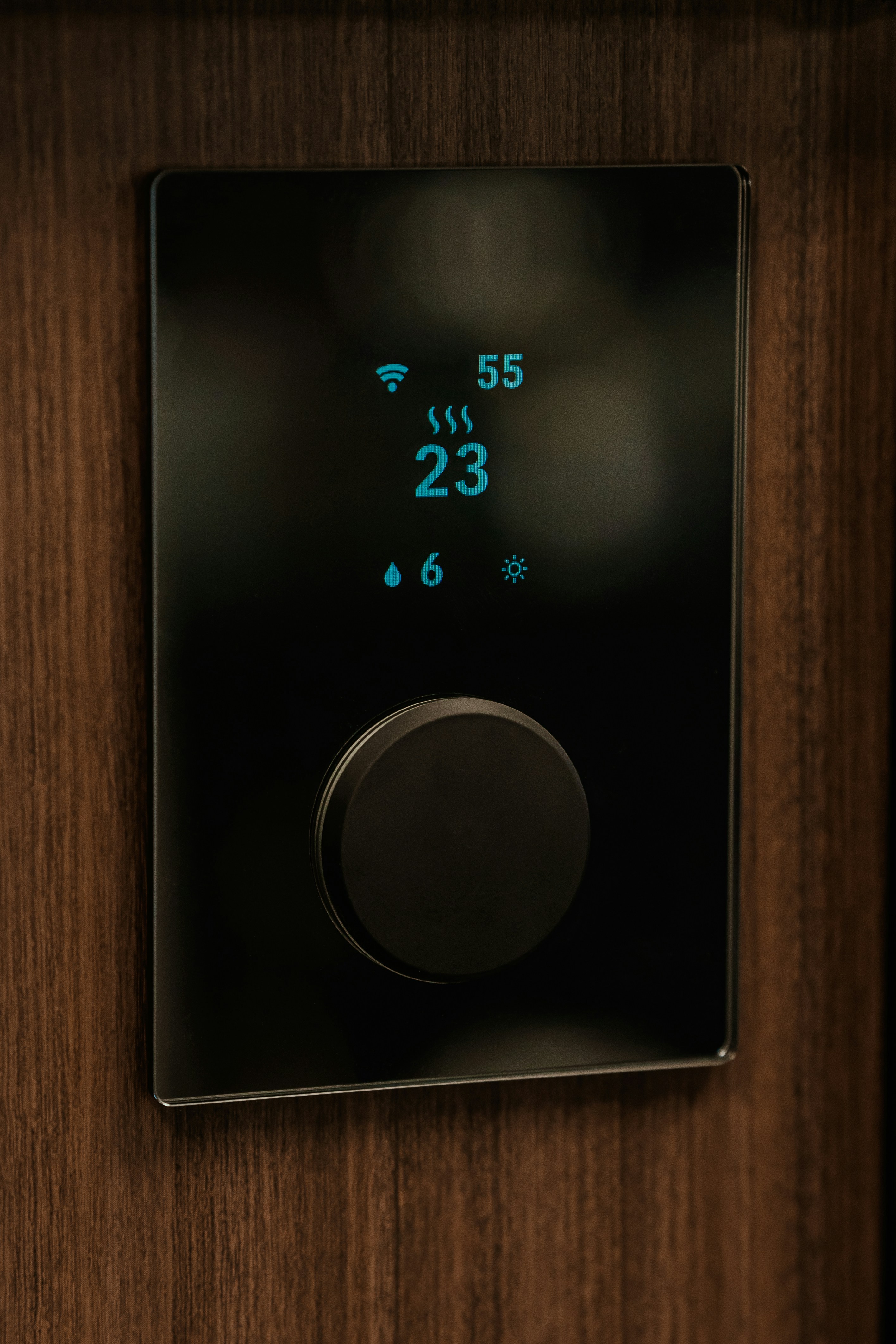
Professional Installation Steps
Home Assessment
HVAC professional evaluates your home to determine optimal zone configuration.
- • Analyze floor plan and room usage patterns
- • Identify temperature problem areas
- • Inspect existing ductwork capacity
- • Assess HVAC system compatibility
Zone Design & Planning
Create customized zoning plan tailored to your needs.
- • Determine number and location of zones
- • Select thermostat types and placements
- • Calculate damper sizes and positions
- • Design control system configuration
Damper Installation
Install motorized dampers in ductwork for each zone.
- • Access main trunk lines and branch ducts
- • Install zone dampers at strategic locations
- • Run low-voltage wiring to control panel
- • Test damper operation and sealing
Thermostat Installation
Install new thermostats for each zone.
- • Mount thermostats in optimal locations
- • Run wiring to control panel
- • Configure smart thermostat features
- • Connect to Wi-Fi if smart system
Control Panel Setup
Install and program central zoning control panel.
- • Mount control panel near HVAC equipment
- • Connect all zone wiring
- • Interface with HVAC system controls
- • Program zone priorities and settings
Testing & Commissioning
Verify all zones operate correctly and efficiently.
- • Test each zone independently
- • Verify damper operation and airflow
- • Balance system for optimal performance
- • Train homeowner on system operation
Installation Timeline:
Most residential zoning installations complete in 1-2 days, depending on home size and complexity. Our professional installation team handles all aspects with minimal disruption.
Cost-Benefit Analysis
Installation Costs
Cost Variables:
- • Number of zones and dampers required
- • Type of thermostats (basic vs smart)
- • Ductwork accessibility
- • Existing HVAC system compatibility
- • Home size and layout complexity
Return on Investment
3-Zone System ROI Example:
Installation Cost: $4,500
Annual Energy Savings: $900 (25% reduction)
Comfort & Convenience Value: Priceless
Payback Period: 5 years
10-Year Net Savings: $4,500 (after initial investment)
Additional Value:
- • Increased home resale value
- • Extended HVAC system lifespan ($1,000-3,000 value)
- • Reduced repair costs from lower system stress
- • Improved occupant satisfaction and productivity
Is Zoning Right for Your Home?
Ideal Candidates for Zoning
EXCELLENT FIT:
- • Multi-story homes (2+ levels)
- • Homes with finished basements or attics
- • Large homes (2,500+ sq ft)
- • Master suites or in-law apartments
- • Home offices requiring different temps
- • Rooms with high sun exposure
- • Additions or room extensions
LIMITED BENEFIT:
- • Small single-story homes (< 1,500 sq ft)
- • Open floor plan without distinct rooms
- • Homes with minimal temperature variations
- • Unoccupied areas without climate control needs
Questions to Consider:
- • Do certain rooms consistently feel too hot or too cold?
- • Does your upstairs overheat while downstairs is comfortable?
- • Do family members disagree on ideal temperature?
- • Are there rooms you rarely use but still condition?
- • Would you like different temperatures during different times?
If you answered "yes" to 2+ questions, zoning could significantly improve your comfort and efficiency.
Related Resources
Ready for Perfect Temperature Control?
Get a free zoning system assessment and quote from Likir HVAC Solutions