
Improving Indoor Air Quality: Simple Steps for Cleaner Air
In Short
The air inside your home can be 2-5 times more polluted than outdoor air. Poor indoor air quality affects health, comfort, and overall wellbeing—especially for those with allergies, asthma, or respiratory sensitivities.
Key Points
- Why Indoor Air Quality Matters
- Common Indoor Air Pollutants
- HVAC Filters and Air Filtration
- Ventilation and Air Circulation
- Humidity Control
The air inside your home can be 2-5 times more polluted than outdoor air. Poor indoor air quality affects health, comfort, and overall wellbeing—especially for those with allergies, asthma, or respiratory sensitivities.
The good news? Improving your indoor air quality doesn't require expensive overhauls. This guide covers practical, effective solutions to help you breathe cleaner, healthier air at home.
Why Indoor Air Quality Matters
Health Impacts
Poor indoor air quality contributes to various health issues, both immediate and long-term:
Short-Term Effects:
- • Headaches and fatigue
- • Eye, nose, and throat irritation
- • Dizziness
- • Allergic reactions
- • Aggravated asthma symptoms
Long-Term Effects:
- • Respiratory diseases
- • Heart disease
- • Chronic allergies
- • Reduced immune function
- • Potentially cancer (from specific pollutants)
Florida-Specific Concerns
High humidity in Florida creates ideal conditions for mold growth, dust mites, and biological contaminants. Proper humidity control and air filtration are especially important in our climate.
Common Indoor Air Pollutants
Dust and Allergens
Dust contains a mix of dead skin cells, fabric fibers, pollen, and dust mite droppings—all common allergens.
Sources: Bedding, carpets, upholstered furniture, poor ventilation, infrequent filter changes
Mold and Moisture
Mold spores trigger allergies and respiratory issues. Florida's humidity makes mold prevention particularly important.
Sources: Bathrooms, kitchens, basements, AC condensate leaks, poor ventilation, humidity above 60%
VOCs (Volatile Organic Compounds)
Chemicals released from household products, building materials, and furnishings. Can cause headaches, dizziness, and respiratory irritation.
Sources: Paint, cleaning products, air fresheners, new furniture, carpeting, pressed wood products
Pet Dander
Microscopic skin flakes from pets are potent allergens that remain airborne and settle on surfaces.
Solution: Regular grooming, frequent vacuuming with HEPA filters, air purifiers in pet areas
HVAC Filters and Air Filtration
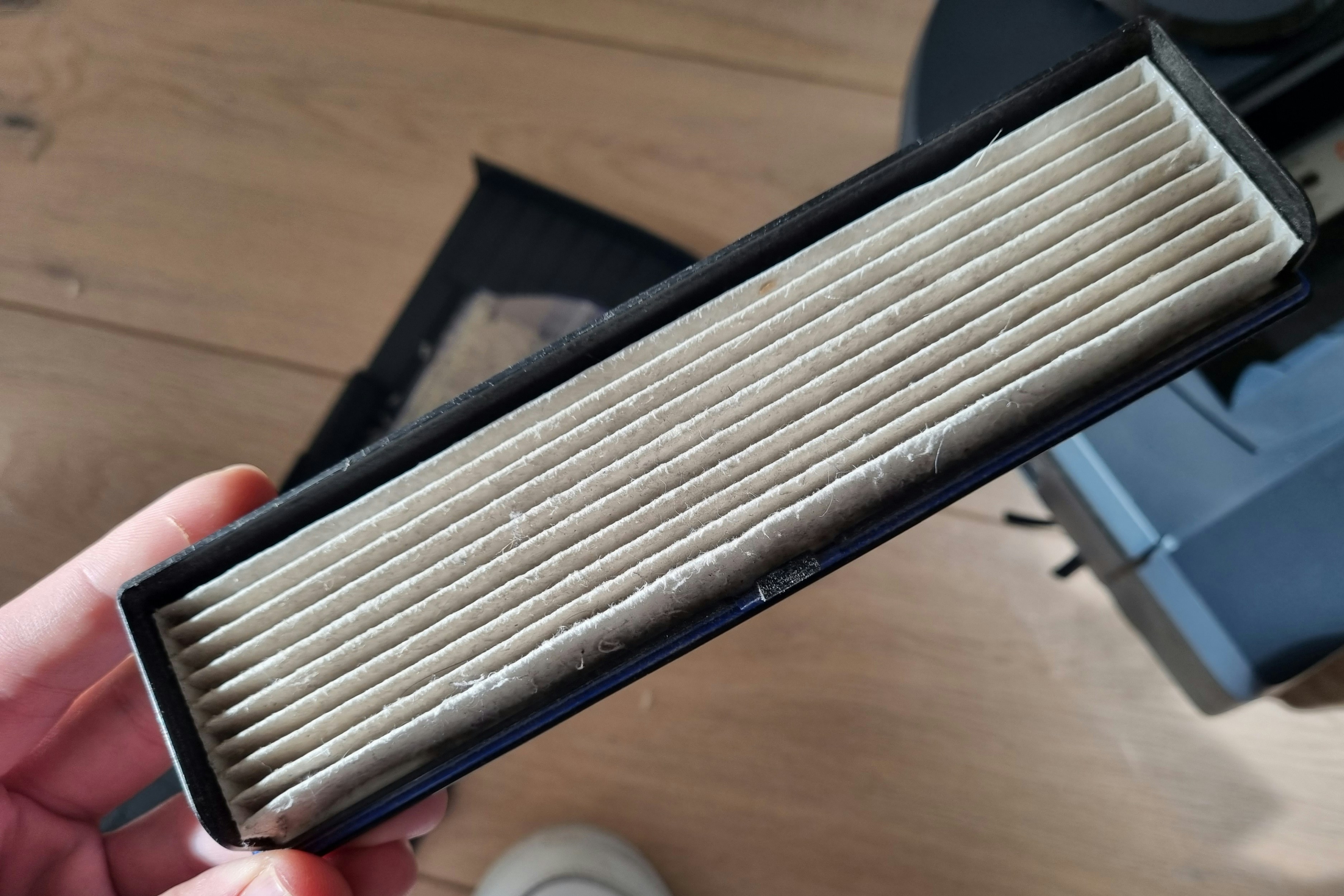
Filter Types and MERV Ratings
MERV (Minimum Efficiency Reporting Value) ratings measure filter effectiveness. Higher numbers capture smaller particles.
MERV 1-4 (Basic)
Captures large particles like dust, carpet fibers. Minimal filtration. Not recommended.
MERV 5-8 (Standard)
Captures mold spores, pet dander, larger dust particles. Good for most homes.
MERV 9-12 (Recommended)
Best for most residential applications. Captures smaller particles including pollen, fine dust, some bacteria.
Ideal for allergy sufferers and Florida's high pollen environment.
MERV 13-16 (High-Efficiency)
Hospital-grade filtration. Captures bacteria, smoke particles, virus carriers. Requires system compatibility check.
Filter Replacement Frequency
- Standard filters (MERV 1-8): Every 30-60 days
- Pleated filters (MERV 9-12): Every 60-90 days
- High-efficiency filters (MERV 13+): Every 90-120 days
- With pets: Reduce intervals by 30-50%
- During high pollen seasons: Check monthly, replace as needed
Learn more about proper filter maintenance in our HVAC maintenance checklist.
Upgrade Options
Consider upgrading to advanced filtration systems for superior air quality:
- HEPA Filters: Capture 99.97% of particles down to 0.3 microns. Excellent for severe allergies.
- Electronic Air Cleaners: Use electrostatic charge to trap particles. Washable and reusable.
- UV Air Purifiers: Kill mold, bacteria, and viruses with ultraviolet light.
Our filtration upgrade services can help you choose the right solution.
Ventilation and Air Circulation
Proper Ventilation
Fresh air exchange dilutes indoor pollutants. Balanced ventilation removes stale air while bringing in filtered fresh air.
- Use bathroom and kitchen exhaust fans during and after use
- Open windows when outdoor air quality is good (check AQI)
- Consider whole-house ventilation systems for consistent fresh air
- Energy Recovery Ventilators (ERVs) exchange air while minimizing energy loss
Ductwork Cleaning
Dirty ducts circulate dust, allergens, and mold spores throughout your home. Professional cleaning every 3-5 years improves air quality.
When to Clean Ducts:
- • Visible mold growth inside ducts
- • Excessive dust or debris buildup
- • Pest infestation in ductwork
- • Recent home renovation or construction
- • Unexplained allergies or respiratory issues
Learn more about how ductwork affects air quality and our duct cleaning services.
Humidity Control
Ideal Humidity Levels
Maintain indoor humidity between 30-50% for optimal comfort and air quality. Florida's climate often requires active dehumidification.
Too High (>60%):
- • Mold and mildew growth
- • Dust mite proliferation
- • Musty odors
- • Condensation on windows
- • Feels muggy and uncomfortable
Too Low (<30%):
- • Dry skin and respiratory irritation
- • Static electricity
- • Cracked wood furniture
- • Increased susceptibility to illness
- • Uncomfortable dry air
Humidity Control Solutions
- Whole-Home Dehumidifiers: Integrated with HVAC system for consistent humidity control
- Proper AC Operation: Your AC naturally dehumidifies. Ensure it's sized correctly and running efficiently.
- Ventilation Fans: Remove moisture from bathrooms and kitchens at the source
- Fix Leaks Promptly: Address plumbing issues and AC condensate leaks immediately
Explore our humidity control solutions for Florida homes.
Air Purification Options
Portable Air Purifiers
Standalone units for individual rooms. Look for HEPA filtration and appropriate room size coverage.
Best for: Bedrooms, home offices, rooms with pets
Whole-Home Purifiers
Integrated with HVAC system to clean all air circulating through your home.
Best for: Comprehensive air quality improvement throughout entire home
UV Air Sanitizers
Install in ductwork to kill bacteria, viruses, and mold spores with UV-C light.
Best for: Biological contaminant control, mold prevention
Activated Carbon Filters
Remove odors, VOCs, and chemical pollutants through adsorption.
Best for: Chemical sensitivity, persistent odors, VOC reduction
Simple Daily Habits
- Remove shoes indoors to prevent tracking in outdoor pollutants
- Vacuum regularly with HEPA-filter vacuum (2-3 times weekly with pets)
- Control humidity with AC, dehumidifiers, and ventilation
- Use natural cleaning products or low-VOC alternatives
- Wash bedding weekly in hot water to eliminate dust mites
- Add houseplants (some species naturally filter air)
- Groom pets regularly to reduce dander
- Open windows occasionally when outdoor air quality is good
Professional Air Quality Services
For comprehensive air quality improvement, professional assessment and solutions provide the most effective results. Our indoor air quality services include:
Assessment Services:
- Air quality testing
- Humidity level measurement
- Ductwork inspection
- Ventilation evaluation
Improvement Solutions:
- Air purification systems
- Advanced filtration installation
- UV sanitizer installation
- Humidity control systems
Related Articles
Improve Your Home's Air Quality Today
Get professional air quality assessment and solutions from Likir HVAC Solutions