
Smart Thermostat Benefits: Save Money & Stay Comfortable
In Short
This comprehensive guide explores the benefits of smart thermostats, from energy savings and cost reduction to convenience features and smart home integration. You'll learn how these devices work, what features to look for, and whether upgrading to a smart thermostat makes sense for your home.
Key Points
- Energy Savings & Cost Reduction
- Remote Control & Convenience
- Advanced Features
- Smart Home Integration
- Popular Smart Thermostat Models
Smart thermostats have revolutionized home comfort and energy management. These intelligent devices learn your preferences, adapt to your schedule, and optimize HVAC operation to save energy while maintaining perfect comfort.
In this comprehensive guide, we'll explore how smart thermostats work, their benefits for Florida homeowners, and why upgrading from a traditional thermostat is one of the best investments you can make for your home.
What Is a Smart Thermostat?
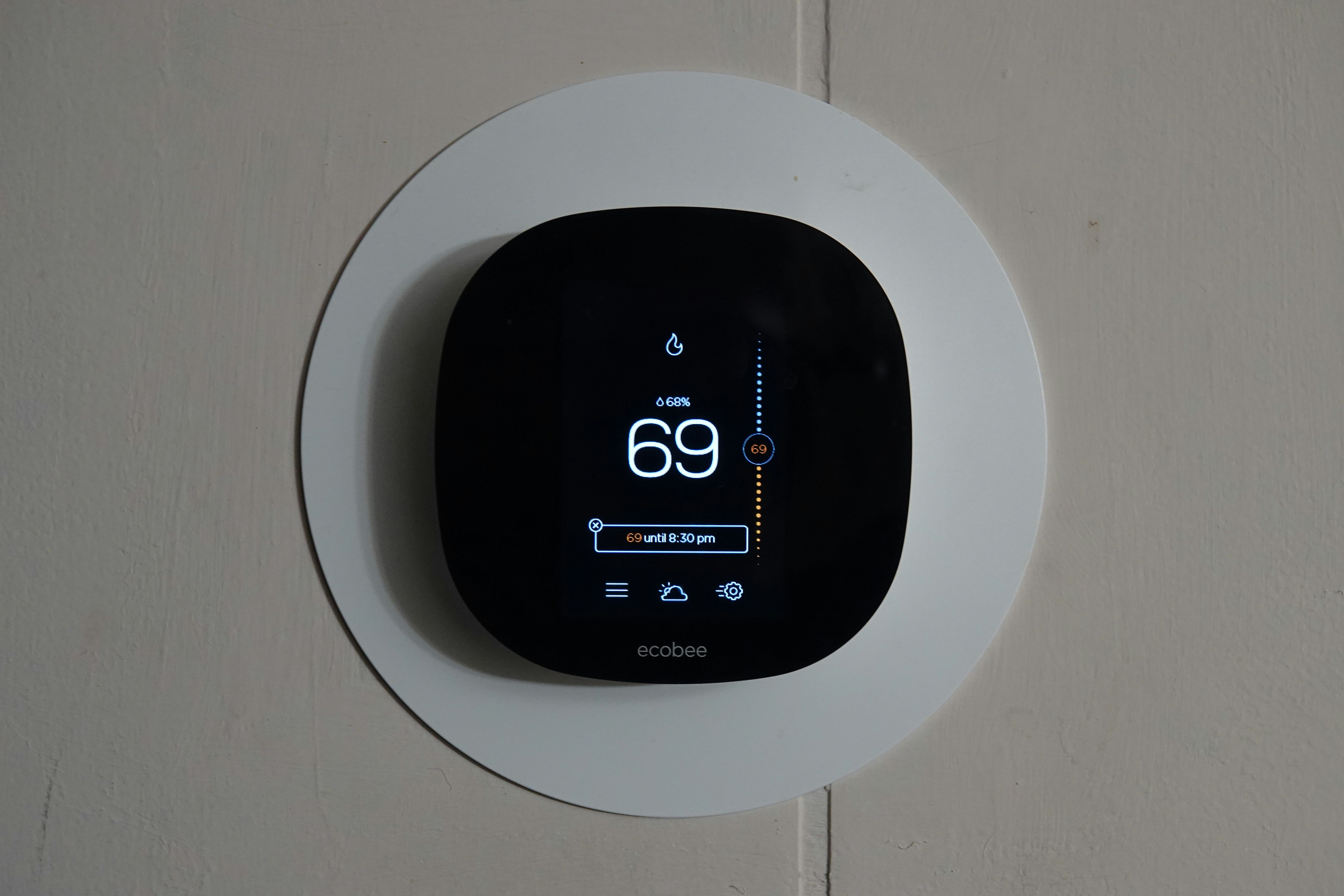
A smart thermostat is a Wi-Fi-enabled device that controls your HVAC system while learning your habits, preferences, and schedule to automatically optimize comfort and efficiency.
Unlike programmable thermostats that require manual schedule input, smart thermostats use sensors, algorithms, and machine learning to adapt automatically.
Key Features:
- Remote Control: Adjust temperature from anywhere via smartphone app
- Learning Capability: Adapts to your schedule and preferences automatically
- Energy Reports: Detailed usage data and optimization recommendations
- Geofencing: Detects when you leave/return home and adjusts accordingly
- Voice Control: Integration with Alexa, Google Assistant, Siri
Energy Savings and Cost Reduction
How Smart Thermostats Reduce Energy Use
- Automatic Temperature Adjustment: Reduces heating/cooling when you're away or asleep
- Learning Algorithms: Optimize setpoints based on your comfort preferences and local weather
- Preconditioning: Start cooling/heating just before you arrive home, not all day
- Usage Insights: Show when and how much energy you're using, encouraging better habits
Average Savings Potential
Studies show smart thermostats can reduce heating and cooling costs by 10-23%, depending on usage patterns and climate.
Florida Homeowner Example:
Current annual HVAC costs: $2,400
Estimated savings (15%): $360/year
Smart thermostat cost: $200-300
Payback period: 8-10 months
Over 10 years, that's $3,600 in savings—a 10x return on investment!
Learn more about maximizing HVAC energy savings.
Utility Rebates and Incentives
Many Florida utility companies offer rebates for smart thermostat installation, reducing your upfront cost:
- FPL (Florida Power & Light): Up to $185 rebate
- Duke Energy: Rebates available for qualified models
- TECO Energy: Smart thermostat program participants save additional $
*Rebate amounts and availability change periodically. We can help you identify current incentives.
Comfort and Convenience Features
Remote Control via Smartphone
Control your home's temperature from anywhere using your smartphone, tablet, or computer.
Real-World Benefits:
- • Forgot to adjust before vacation? Lower temperature remotely
- • Coming home early? Pre-cool your house before arrival
- • Weather changed unexpectedly? Adjust from work
- • Check if kids adjusted temperature? View and correct remotely
Learning Capabilities
Smart thermostats observe your adjustments and automatically create schedules that match your lifestyle.
Within 1-2 weeks, the system learns when you wake up, leave for work, return home, and go to bed—adjusting temperatures accordingly without manual programming.
Some models even adapt to seasonal changes and special events, continuously optimizing for your comfort preferences.
Scheduling and Automation
- Custom Schedules: Set different temperatures for weekdays vs. weekends
- Vacation Mode: Extended away settings to maximize savings
- Smart Recovery: System learns how long to pre-cool/heat to reach target by scheduled time
- Weather Integration: Adjusts based on outdoor temperature and forecast
Geofencing Technology
Uses your smartphone location to automatically adjust temperature when you leave or approach home.
No need to remember to adjust the thermostat—it knows when you're away and when you're coming back.
Perfect for unpredictable schedules or households where different family members have varying routines.
Environmental Benefits
Beyond personal savings, smart thermostats contribute to environmental sustainability:
- Reduced Energy Consumption: Less electricity demand means fewer fossil fuels burned
- Lower Carbon Footprint: Average household can reduce CO2 emissions by 1-2 tons annually
- Grid Optimization: Some models participate in utility demand response programs
- Awareness Building: Energy reports educate users about consumption patterns
Smart Home Integration
Voice Control Compatibility
Most smart thermostats work with popular voice assistants:
Amazon Alexa
"Alexa, set temperature to 72 degrees"
Google Assistant
"Hey Google, lower the temperature"
Apple Siri/HomeKit
"Hey Siri, make it cooler"
Integration with Other Devices
Smart thermostats work seamlessly with other smart home devices:
- Smart Lights: Trigger scenes when temperature changes
- Door/Window Sensors: Pause AC when windows open
- Smart Vents: Zone control for room-by-room temperature
- Ceiling Fans: Coordinate with HVAC for optimal comfort
Installation and Setup
Professional Installation
While some homeowners opt for DIY installation, professional installation ensures:
- Correct wiring and compatibility verification
- Proper configuration for your specific HVAC system
- Wi-Fi setup and app configuration
- Training on features and optimization
- Warranty protection (some require professional installation)
Our smart thermostat installation service includes everything you need.
Compatibility Considerations
Before purchasing, verify compatibility with your HVAC system:
System Requirements:
- • C-wire (common wire) - most smart thermostats need this for power
- • Compatible voltage (24V systems most common)
- • Heat pump vs. conventional system compatibility
- • Multi-stage or single-stage operation
- • Zoned systems may need special models
We'll assess your system during installation to ensure perfect compatibility.
Choosing the Right Smart Thermostat
Popular models offer different features at various price points:
Budget-Friendly ($100-150)
Basic smart features, app control, scheduling. Good for most homes.
Examples: Wyze, Emerson Sensi, Honeywell Home T5
Mid-Range ($200-250) - Most Popular
Learning capability, geofencing, energy reports, voice control. Best value for most users.
Examples: Google Nest Learning Thermostat, ecobee SmartThermostat
Premium ($300+)
Advanced sensors, room-by-room control, air quality monitoring, premium design.
Examples: ecobee SmartThermostat Premium, high-end Honeywell models
Not sure which model is right for you? We'll help you choose during your consultation.
ROI and Payback Period
Investment Analysis
Total Investment:
Smart Thermostat: $150-300
Professional Installation: $100-150
Total: $250-450
Annual Savings:
Energy Savings: $250-400/year
Utility Rebates: Up to $185
Payback: 6-12 months
10-Year Value:
With $350/year average savings, you'll save $3,500 over 10 years—after recovering your initial investment in less than a year.
Add in increased home value and the convenience of smart control, and the ROI becomes even more compelling.
Related Articles
Ready to Upgrade to a Smart Thermostat?
Start saving money and enjoying better comfort with expert installation from Likir HVAC Solutions