
Winter HVAC Preparation for South Florida
Don't get caught off guard by a cold snap. Ensure your heating system is safe, efficient, and ready.
In Short
When people think of South Florida, they think of endless summer. But locals know that January and February can deliver unexpected, plunging cold snaps, dropping temperatures into the 40s or even 30s overnight.
Key Points
- The Infamous "Burning Smell"
- Heat Pumps vs. Emergency Heat
- Your South Florida Winter Checklist
- Related Resources
When people think of South Florida, they think of endless summer. But locals know that January and February can deliver unexpected, plunging cold snaps, dropping temperatures into the 40s or even 30s overnight.
The problem? Because we rarely use our heating systems, they sit dormant for 9 to 10 months out of the year. When you finally flip the thermostat from "Cool" to "Heat," you expect warm air instantly. If the system hasn't been prepared, you might be greeted by a burning smell, strange noises, or worst of all—cold air. Here is how to prepare your HVAC system for the Florida "winter."
The Infamous "Burning Smell"
If you turn on your heat for the first time in a year and immediately smell something burning, don't panic. It is completely normal.
Why Does It Happen?
Most homes in South Florida use electric heat strips or heat pumps. During the long cooling season, dust settles on those heating elements. When you turn on the heat, that accumulated dust instantly burns off. The smell usually dissipates within 15 to 30 minutes.
Pro Tip: Don't wait for a freezing night to test your heater. Turn it on for 20 minutes on a mild afternoon in late November or December, open the windows to let the smell out, and verify that warm air is blowing.
Heat Pumps vs. Emergency Heat
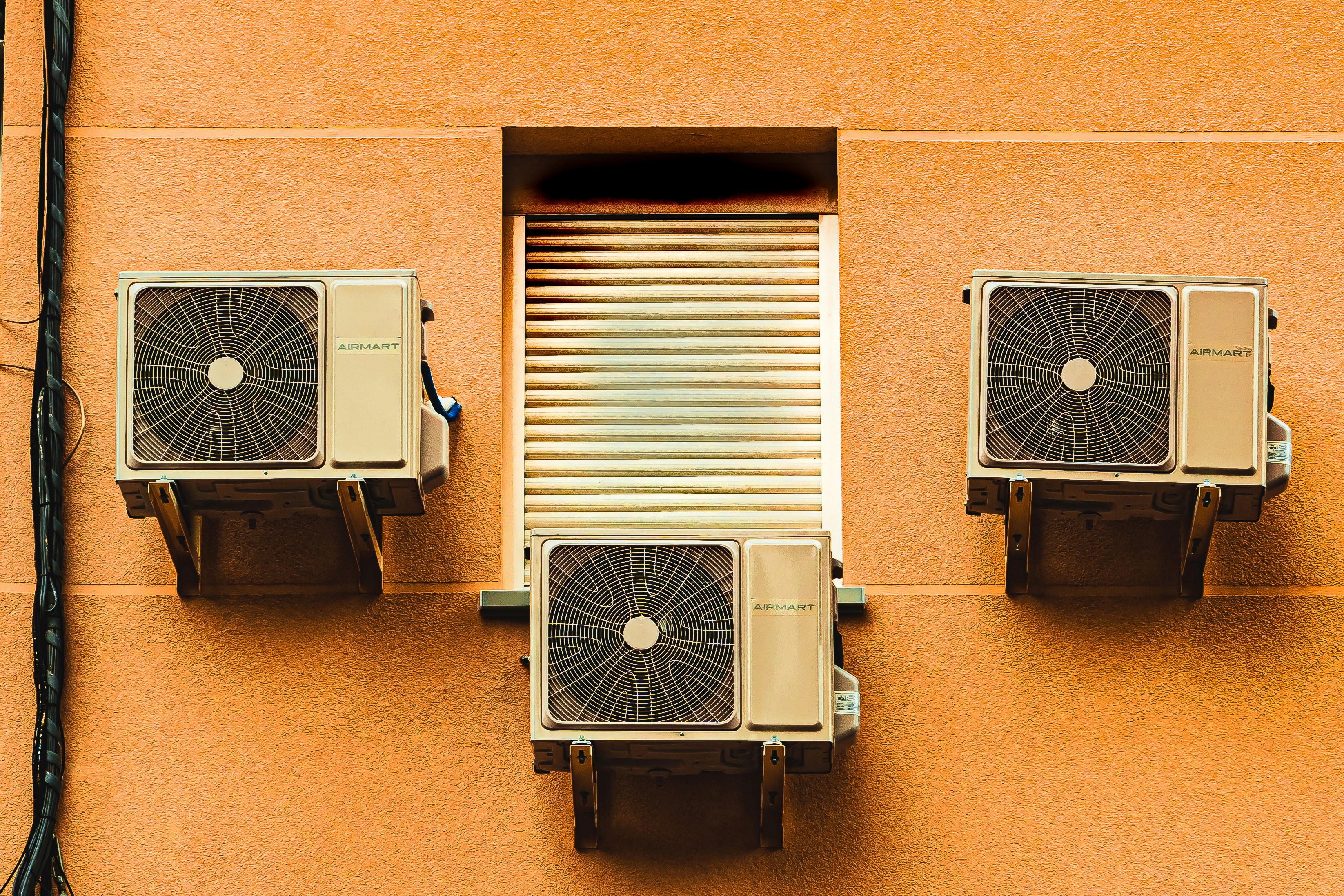
Many Floridians have Heat Pumps. A heat pump acts as an air conditioner in the summer, and reverses its cycle in the winter to pull ambient heat from outside and bring it indoors. They are highly efficient down to about 40 degrees.
Auxiliary / Emergency Heat
- If temperatures drop near freezing, the heat pump may struggle. The thermostat will automatically activate "Auxiliary" or "Emergency Heat."
- This triggers electric resistance heat strips, which use significantly more energy.
- Never manually switch to "Emergency Heat" unless the heat pump has completely failed. Let the smart thermostat manage it to save on your electric bill.
Your South Florida Winter Checklist
1. Change the Air Filter
A dirty filter restricts airflow, forcing the heating elements to work harder. This can cause the system to overheat and trigger a safety shutoff.
2. Clear the Outdoor Unit
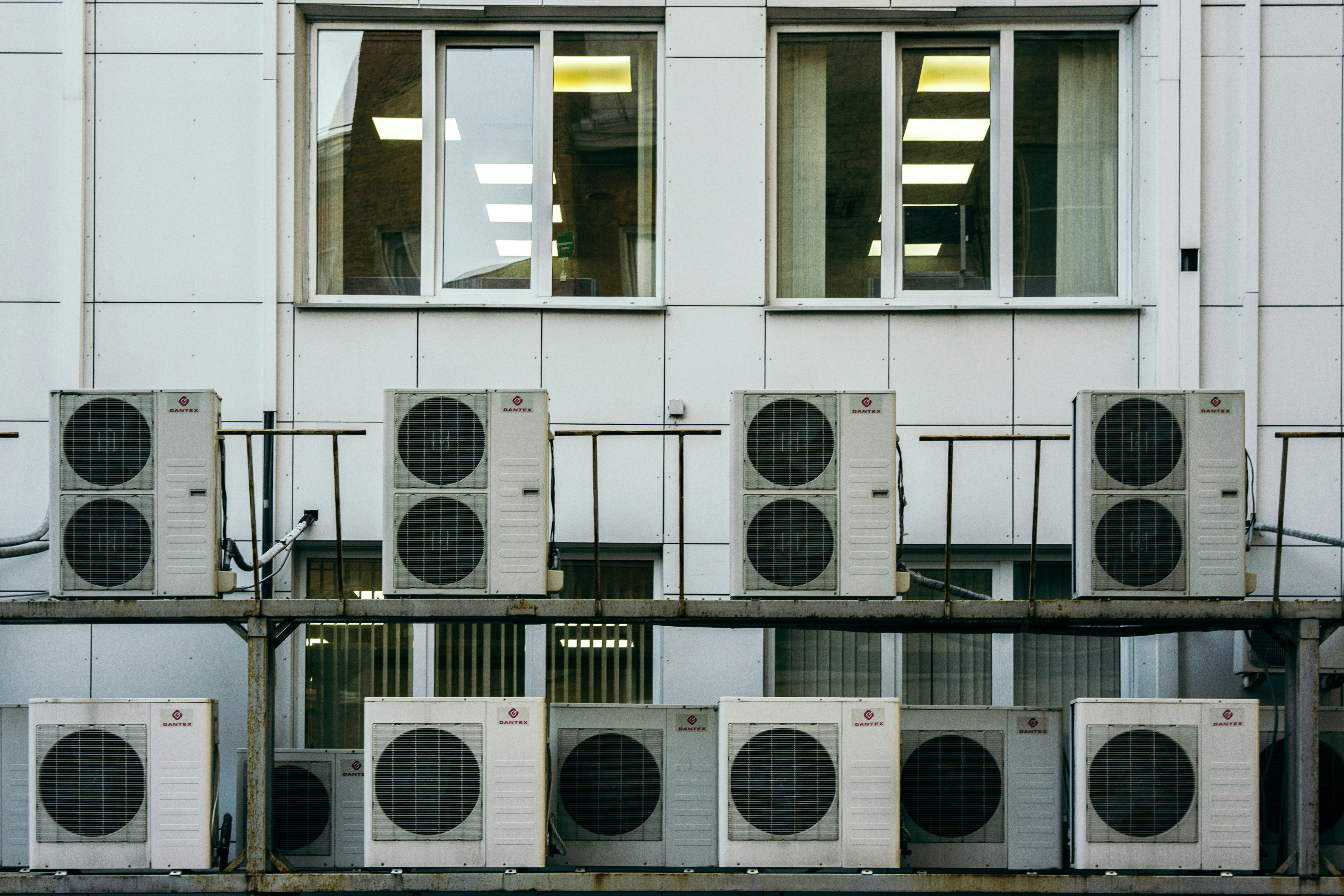
If you have a heat pump, the outdoor unit needs to breathe to extract heat from the air. Clear away dead leaves, branches, and overgrowth.
3. Check Carbon Monoxide Detectors
If your home utilizes gas heating, carbon monoxide poisoning is a real threat when firing up a long-dormant furnace. Ensure detectors have fresh batteries.
4. Schedule a Preventive Tune-Up
The best defense against a freezing night with no heat is having a professional technician inspect the reversing valve, test the heat strips, and calibrate the thermostat.
Related Resources
Frequently Asked Questions
Do I really need to prepare my HVAC for winter in South Florida?
Yes. South Florida winters are mild, but cold fronts still arrive, and your system switches to heating mode after months of cooling. A quick checkup confirms the heating side works before you need it and catches small issues early.
What is the most important winter HVAC task here?
Replacing the air filter and testing the heat. Systems run hard all summer, so the filter is often dirty by winter, and the heating mode may not have run in months. Confirming it heats properly avoids a cold-snap surprise.
Why does my heat pump blow cooler air in winter?
Heat pumps deliver air that is warm but cooler than a gas furnace, which is normal. If the air feels cold or the system struggles on chilly mornings, it may need service. Most South Florida homes rely on heat pumps for their occasional heating needs.
Should I schedule maintenance before winter?
A fall or early-winter tune-up is ideal. It verifies the heating mode, checks refrigerant and electrical components, and keeps efficiency high before any cold fronts move through.
Is Your Heater Ready for the Cold Snap?
Ensure your family stays warm with a professional system check from Likir HVAC Solutions.