
Commercial vs Residential HVAC: Key Differences
Understanding system design, complexity, and requirements for business vs home applications
In Short
While both commercial and residential HVAC systems perform the same basic function—controlling temperature and air quality—the similarities end there. Commercial systems are fundamentally different in design, complexity, capacity, installation, and maintenance requirements. Understanding these distinctions is crucial whether you're a business owner investing in HVAC infrastructure or a homeowner curious about the larger systems you.
Key Points
- Size and Capacity Differences
- Installation Complexity
- Maintenance Requirements
- Cost Considerations
- Building Code Compliance
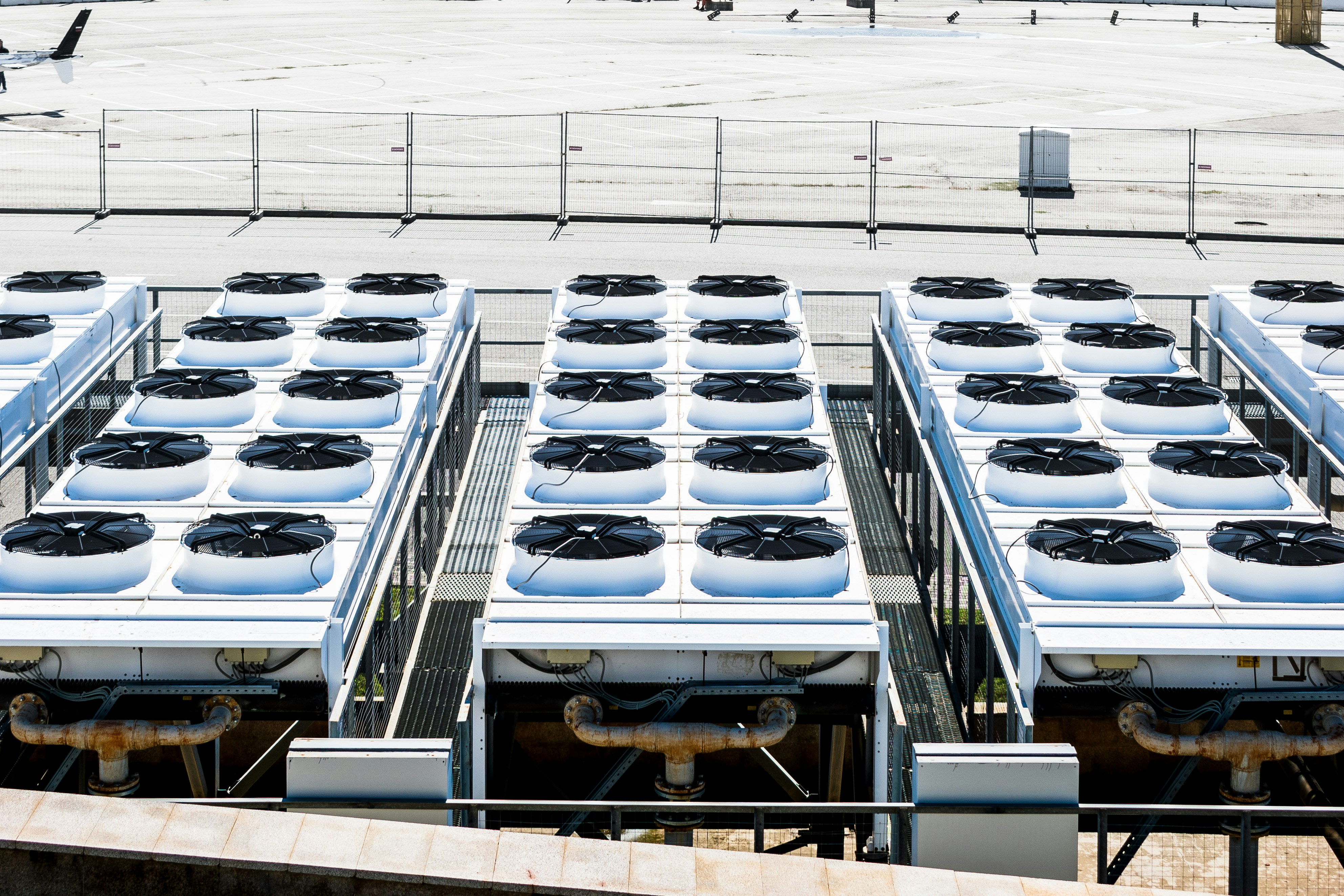
While both commercial and residential HVAC systems perform the same basic function—controlling temperature and air quality—the similarities end there. Commercial systems are fundamentally different in design, complexity, capacity, installation, and maintenance requirements. Understanding these distinctions is crucial whether you're a business owner investing in HVAC infrastructure or a homeowner curious about the larger systems you see on commercial buildings.
This comprehensive guide breaks down the key differences between commercial and residential HVAC systems, helping you understand the unique challenges and considerations for each application. Whether you manage a commercial property or own a home, knowing these distinctions ensures you make informed decisions about your HVAC needs.
Size and Capacity Differences
Scale of Operation
The most obvious difference is sheer size. Commercial HVAC systems must condition significantly larger spaces with higher occupancy loads, heat-generating equipment, and diverse usage patterns.
Residential HVAC
- • Typical Size: 1.5-5 ton capacity
- • Coverage: 1,000-3,000 sq ft typically
- • Configuration: Single packaged or split system
- • Location: Ground-level pad or attic
- • Cooling Load: Family occupancy, standard appliances
- • Zones: 1-4 zones typically
Commercial HVAC
- • Typical Size: 10-100+ ton capacity (often multiple units)
- • Coverage: 5,000-500,000+ sq ft
- • Configuration: Multiple rooftop units or chiller systems
- • Location: Rooftop or dedicated mechanical rooms
- • Cooling Load: High occupancy, computers, servers, equipment
- • Zones: 10-100+ zones for precise control
Capacity Calculation Differences
Commercial load calculations are far more complex, accounting for:
- Occupancy Variability: Offices may have 100+ people during business hours, zero overnight
- Equipment Heat Gain: Server rooms, industrial equipment, commercial kitchens generate massive heat
- Ventilation Requirements: Commercial buildings require higher fresh air exchange rates per code
- Process Loads: Manufacturing, refrigeration, specialized equipment needs
System Configuration
Commercial buildings rarely use single HVAC units. Instead, they employ multiple coordinated systems.
Rooftop Units (RTUs)
Self-contained packaged systems installed on building roofs. Multiple RTUs serve different zones or floors, often 5-25 tons each. Common in offices, retail, and light industrial applications.
Chiller Systems
Central chiller produces chilled water distributed throughout the building via pipes to air handlers. Ideal for large buildings (50,000+ sq ft), hospitals, universities. Extremely efficient for large-scale cooling.
Variable Refrigerant Flow (VRF)
Advanced system with one outdoor unit serving multiple indoor units independently. Each zone gets precise control. Popular in modern commercial construction for energy efficiency and flexibility.
Installation Complexity
Residential Installation
Residential HVAC installation is relatively straightforward, typically completed in 1-3 days.
- Standard equipment sizes and configurations
- Minimal structural modifications needed
- Accessible installation locations
- Simpler electrical and plumbing connections
Learn more about our residential HVAC installation services.
Commercial Installation
Commercial installation is a major construction project requiring weeks or months and extensive coordination.
Installation Challenges:
- • Crane Operations: Rooftop units weigh 2,000-10,000+ lbs, requiring cranes for placement
- • Structural Engineering: Building must support massive equipment weight on roof
- • Complex Ductwork: Extensive sheet metal fabrication and installation throughout building
- • High-Voltage Power: 208-480V 3-phase electrical service, not standard residential power
- • Building Management Integration: Systems must interface with BMS for centralized control
- • Code Compliance: Strict commercial building codes, permits, and inspections
- • Occupied Building Coordination: Often installed while business continues operating
Timeline & Cost Comparison
Our commercial HVAC services handle projects of all sizes with expert installation teams.
Maintenance Requirements
Frequency and Complexity
Residential Maintenance
- Frequency: Annual or bi-annual tune-ups
- Filter Changes: Monthly by homeowner
- Service Time: 1-2 hours per visit
- Cost: $150-300/year
- Complexity: Standard procedures, minimal specialized equipment
Commercial Maintenance
- Frequency: Quarterly or monthly visits required
- Filter Changes: Weekly to monthly (high-traffic buildings)
- Service Time: 4-40+ hours per visit (multiple units)
- Cost: $2,000-20,000+/year depending on size
- Complexity: Specialized tools, certified technicians, confined space entry
Why Commercial Requires More Maintenance
- Longer Operating Hours: Many run 12-24 hours/day vs residential 8-12 hours
- Higher Consequences of Failure: Business downtime costs thousands per hour
- More Components: Multiple units, complex controls, extensive ductwork
- Regulatory Compliance: Some industries require documented preventive maintenance
Read our comprehensive guide: Commercial HVAC Maintenance Guide
Cost Considerations
Total Cost of Ownership
Residential 10-Year Costs
Commercial 10-Year Costs (25,000 sq ft office)
Energy Efficiency Matters More
For commercial buildings, energy costs dwarf equipment and maintenance expenses. A 2-point improvement in efficiency can save $20,000-40,000+ annually on a large building.
ROI of High-Efficiency Commercial Equipment
Premium efficiency equipment costs 20-40% more upfront but can reduce energy costs by 30-50%, typically paying for itself in 3-7 years through utility savings alone.
Learn more about efficient systems: HVAC System Lifespan Guide
Building Code Compliance
Regulatory Requirements
Commercial HVAC systems face far stricter regulatory oversight than residential systems.
Building Codes
Commercial installations must meet ASHRAE standards, International Building Code (IBC), and local amendments. Requires professional engineer stamped drawings for larger systems.
Ventilation Standards
ASHRAE 62.1 mandates minimum outdoor air ventilation rates based on occupancy and building use. Commercial buildings require significantly more fresh air than residential.
Energy Codes
Commercial construction must meet strict energy efficiency requirements (IECC commercial provisions). Includes minimum equipment efficiency, economizers, and energy recovery requirements.
Industry-Specific Requirements
Healthcare, food service, laboratories, and manufacturing have additional stringent requirements for temperature control, humidity, air quality, and documentation.
Choosing the Right System
Decision Factors
Choose Residential HVAC When:
- • Building is single-family home or small multi-family
- • Space is under 5,000 sq ft
- • Simple layout with minimal zoning needs
- • Standard residential occupancy patterns
- • Budget constraints favor lower upfront cost
Choose Commercial HVAC When:
- • Building is office, retail, industrial, or institutional
- • Space exceeds 5,000 sq ft with high occupancy
- • Complex zoning or specialized environmental control needed
- • Business operations depend on reliable climate control
- • Long-term energy efficiency and durability are priorities
Related Resources
Need Commercial HVAC Solutions?
Get expert consultation and professional installation from Likir HVAC Solutions